Effective stormwater drainage is essential for protecting homes, businesses and outdoor areas from excess rainwater. When stormwater drains become blocked, damaged or overwhelmed, water can collect around a property and create a range of drainage problems. For homeowners in Penrith, understanding the common causes and warning signs of stormwater drain issues can help identify problems early and arrange professional plumbing assistance before they become more serious.
What Is a Stormwater Drain?
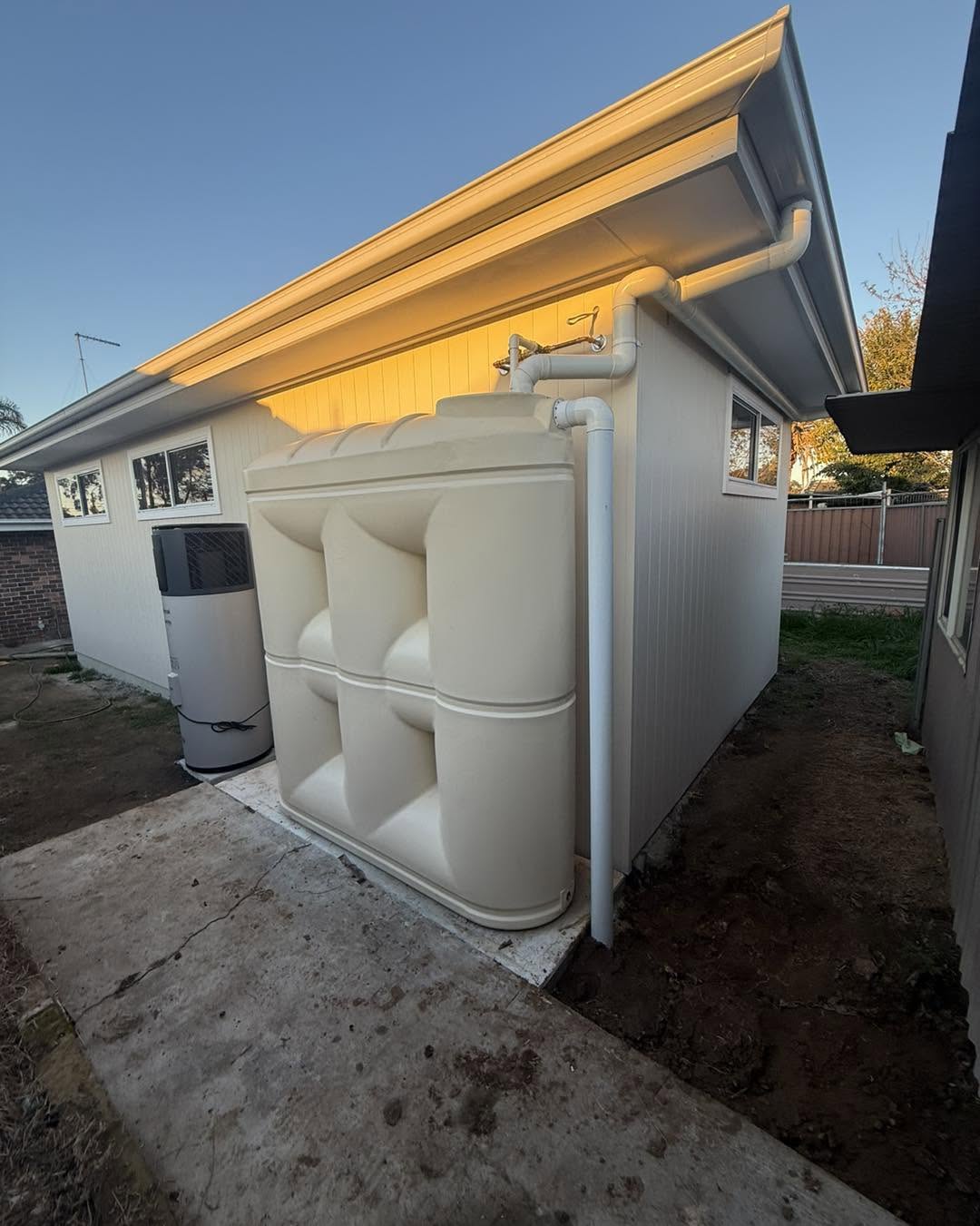
A stormwater drain is part of a drainage system designed to collect and direct rainwater away from properties, driveways, roofs, gardens and other surfaces. During rainfall, water flows through gutters, downpipes, pits and underground drainage pipes before being directed towards an appropriate stormwater outlet.
When this system is working properly, rainwater can move away from the property efficiently. However, debris, tree roots, damaged pipes and poor drainage flow can interfere with the system. A blocked stormwater drain may prevent water from escaping quickly, resulting in pooling, overflow and other property concerns.
Common Causes of Stormwater Drain Problems
Stormwater drainage problems can develop for several reasons. One of the most common causes is the accumulation of leaves, dirt, soil and other outdoor debris. During heavy rainfall, this material can be carried into drains and gradually restrict the flow of water.
Tree roots can also affect underground stormwater pipes. As roots grow through small cracks or joints, they can create an obstruction that becomes larger over time. In some situations, damaged, collapsed or displaced pipes can further restrict water movement and contribute to recurring drainage problems.
Other potential causes include damaged gutters, blocked downpipes, inadequate drainage capacity, soil movement and poor connections between drainage components. Identifying the actual cause is important because simply clearing visible debris may not resolve an underlying underground problem.
Signs of a Blocked Stormwater Drain
Stormwater drainage problems are not always obvious until heavy rain occurs. One of the most noticeable signs is water pooling in areas where rainwater would normally drain away. Persistent puddles around driveways, gardens, paths or drainage pits may indicate that water is not flowing correctly.
Other warning signs can include overflowing gutters, slow drainage, water backing up from stormwater pits, unusual wet patches and soil erosion around drainage areas. If the same area repeatedly floods after rainfall, there may be an underlying drainage restriction that needs professional investigation.
Why Heavy Rain Can Expose Drainage Problems
A stormwater system may appear to operate normally during light rainfall but struggle when there is a sudden increase in water volume. Heavy rain puts additional pressure on gutters, downpipes and underground drainage pipes. If there is already a partial blockage, the increased flow can cause water to back up and overflow.
For Penrith property owners, paying attention to drainage performance during and after significant rainfall can help identify developing problems. A system that repeatedly struggles during wet weather may require inspection even if the water eventually drains away.
Stormwater Drain Blockages and Tree Roots
Tree roots can be particularly difficult to identify because they may be located deep inside underground pipes. A root intrusion can restrict water flow and collect additional debris, causing the blockage to become progressively worse.
If a stormwater drain repeatedly becomes blocked despite previous cleaning, tree root intrusion or pipe damage may need to be considered. Professional drain inspection equipment can help determine whether the problem is located inside an underground section of the drainage system.
How Plumbers Diagnose Stormwater Drain Problems
Professional diagnosis begins with an assessment of the visible symptoms and drainage components. A plumber may inspect gutters, downpipes, stormwater pits and accessible pipe sections to understand where water is being restricted.
Where the problem is underground or difficult to locate, CCTV drain inspection can provide a clearer view inside the pipe. A small camera can travel through the drainage line and help identify issues such as blockages, cracks, root intrusion, damaged sections or other obstructions. This can make it easier to determine the appropriate repair or cleaning method.
Professional Stormwater Drain Cleaning
Once a blockage has been identified, professional drain cleaning can help restore water flow. Depending on the type and severity of the obstruction, different techniques and equipment may be suitable. High-pressure water jetting can be used in appropriate drainage systems to break down and flush away accumulated material.
Professional cleaning is particularly useful when a blockage is located deeper within the drainage system or cannot be reached effectively using basic household methods. Clearing the obstruction can restore drainage performance while also helping identify whether an underlying issue is contributing to repeated blockages.
What Happens If Stormwater Problems Are Ignored?
Ignoring a stormwater drainage problem can allow the underlying issue to become more difficult to manage. Repeated water pooling can affect lawns, gardens, soil and paved areas, while uncontrolled water may eventually reach parts of a building or other structures.
Ongoing drainage restrictions can also place additional pressure on pipes and connected drainage components. If a blockage is caused by tree roots, pipe damage or a structural problem, temporary clearing may not provide a lasting solution. Professional assessment can help determine whether cleaning, repair or further investigation is required.
Can You Prevent Stormwater Drain Problems?
Regular maintenance can reduce the likelihood of some stormwater drainage problems. Keeping gutters and downpipes clear of leaves and debris is an important starting point. Property owners should also pay attention to drainage pits and visible outlets, particularly before periods of heavy rainfall.
It is also useful to monitor areas where water regularly pools. If the same drainage point repeatedly overflows or becomes slow, arranging a professional inspection can help identify the cause before the problem becomes more disruptive.
When Should You Call a Penrith Plumber?
Professional plumbing assistance should be considered when stormwater drains repeatedly block, overflow or drain slowly. You should also arrange an inspection if you notice unexplained pooling, damaged drainage components, persistent wet areas or signs that water is not being directed away from your property correctly.
Recurring problems are particularly important to investigate because they may indicate an underground blockage, root intrusion or damaged pipe rather than a simple surface obstruction. A professional plumber can assess the system and recommend a suitable approach based on the condition of the drainage network.
Stormwater Drain Services in Penrith
Stormwater drainage plays an important role in managing rainwater around residential and commercial properties. When drains become blocked or damaged, early professional attention can help restore proper water flow and reduce the risk of ongoing drainage problems.
Ballard’s Plumbing provides plumbing and drainage services for customers in Penrith and surrounding areas. From stormwater drainage problems and blocked drains to CCTV drain inspections and high-pressure drain cleaning, professional assistance can help identify the cause of drainage issues and determine an appropriate solution for your property.
If your stormwater drain is overflowing, draining slowly or repeatedly becoming blocked, arranging a professional assessment can help prevent a minor drainage issue from developing into a more significant problem.
 Call Ballard's Plumbing