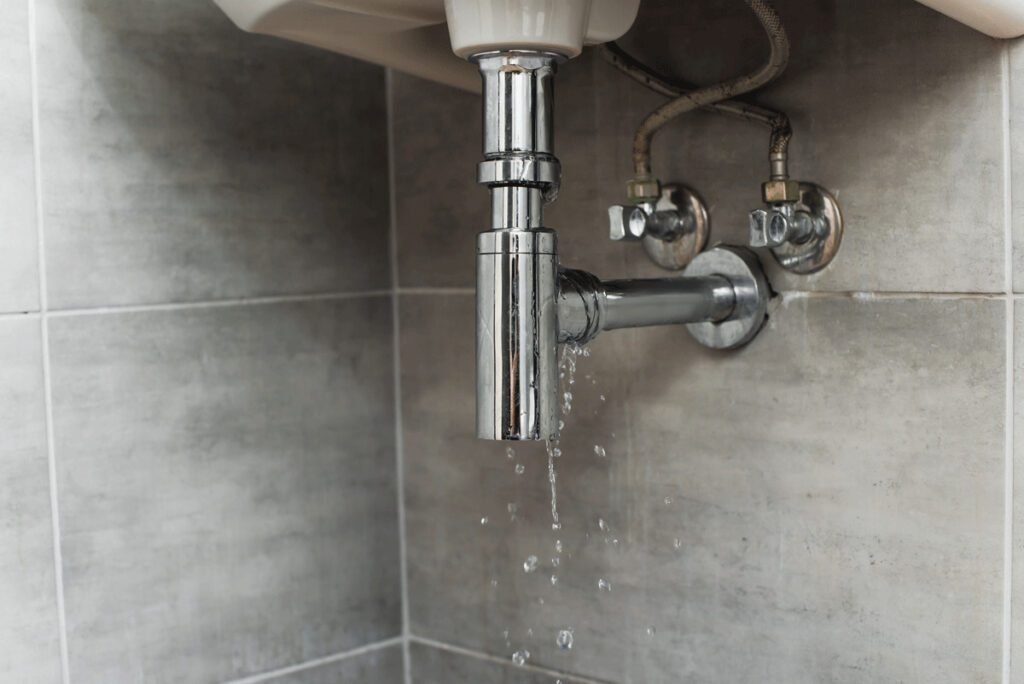
A leaking pipe inside your Penrith home can cause problems long before the source of the leak becomes visible. Water pipes can run behind walls, beneath floors, inside ceilings and through other concealed areas, making hidden leaks difficult to identify without professional investigation. Recognising the warning signs early can help homeowners arrange plumbing repairs before ongoing moisture causes more extensive damage to the property.
What Causes Pipes to Leak?
Plumbing pipes can develop leaks for several reasons. Age, corrosion, damaged joints, excessive pressure, physical damage and deteriorated seals can all affect the condition of a plumbing system. Underground pipes may also be affected by soil movement, tree roots or other external conditions.
In some cases, a leak develops gradually and produces only a small amount of water. Because the pipe is concealed, the problem may continue unnoticed for some time. A minor leak can eventually contribute to dampness, staining, mould growth or deterioration of nearby building materials.
Unexplained Increases in Water Usage
An unexpected increase in your household water consumption can be an early indication of a plumbing leak. If your normal water usage has not changed but your water bill or meter readings appear higher than usual, there may be water escaping somewhere within the plumbing system.
A leak is not the only possible explanation for increased water consumption, so further investigation may be required. A professional plumber can assess the property's plumbing system and look for signs that water is being lost through a damaged pipe, fixture or connection.
Damp or Wet Areas Around the Home
Unexpected dampness can be another warning sign of a hidden water leak. Wet patches on floors, walls or ceilings may indicate that water is escaping from a nearby pipe. In some situations, the affected area may remain slightly damp rather than appearing obviously flooded.
Homeowners should pay attention to areas that remain moist even when there has been no recent rainfall, cleaning or other obvious source of water. Persistent dampness should be investigated because allowing moisture to remain inside building materials can contribute to further property problems.
Water Stains on Walls or Ceilings
Brown, yellow or discoloured marks appearing on walls and ceilings can sometimes indicate water escaping from concealed plumbing. A stain may become more noticeable over time as moisture continues to reach the surface.
However, water stains can have several causes, including roof leaks, condensation and external water entry. Identifying the actual source is therefore important. A professional plumber can investigate when plumbing is suspected and help determine whether a leaking pipe may be contributing to the damage.
Peeling Paint or Damaged Surfaces
Moisture behind a wall can affect paint, plaster, wallpaper and other surface finishes. Bubbling, peeling or blistering paint may indicate that moisture is accumulating behind the surface.
If surface damage continues to appear or returns after repairs, it is worth investigating the source of the moisture rather than simply repainting the affected area. Fixing the visible damage without addressing an underlying leak may allow the problem to continue.
Musty Smells and Mould Growth
A persistent musty smell can sometimes indicate ongoing moisture in an enclosed area. Hidden plumbing leaks can create damp conditions behind walls, under floors or inside cabinets, potentially contributing to mould growth.
If mould or a persistent damp odour appears in an area without an obvious source of moisture, homeowners should consider having the area assessed. Identifying and addressing the source of water can be an important part of resolving recurring moisture problems.
Sounds of Running or Dripping Water
Unusual water sounds can sometimes provide an important clue. Hearing dripping, hissing or running water when taps, showers and other fixtures are not being used may indicate that water is moving through the plumbing system unexpectedly.
Not every plumbing system is completely silent, but a new or persistent sound should not be ignored. A plumber can investigate the source and determine whether the sound is associated with a leak or another plumbing issue.
Low Water Pressure
A sudden or unexplained reduction in water pressure can sometimes be associated with a plumbing leak. If water is escaping through a damaged pipe, less water may reach a fixture than expected.
Low pressure can also be caused by blocked fixtures, supply issues or problems with plumbing components, so it should not automatically be assumed that a leak is responsible. Professional assessment can help identify where the pressure problem originates.
Hidden Leaks Behind Walls and Under Floors
One of the challenges with concealed pipe leaks is locating the source. Water can travel along building materials before becoming visible, meaning the area where you notice staining may not be directly above or beside the damaged pipe.
This is why simply opening a wall or removing flooring without first investigating the problem may result in unnecessary disruption. Professional plumbers can use appropriate diagnostic methods to help narrow down the likely location of a concealed leak.
How Plumbers Detect Hidden Water Leaks
Leak detection generally begins with a review of the symptoms and an inspection of accessible plumbing components. Depending on the circumstances, a plumber may assess water usage, visible pipework, fixtures, pressure and areas showing signs of moisture.
Specialised leak detection methods may also be used where the source cannot be identified through a standard visual inspection. The appropriate approach depends on the property's plumbing system and the location of the suspected leak. Accurate diagnosis can help minimise unnecessary disturbance and allow the repair to be more targeted.
Why Prompt Pipe Repairs Matter
A leaking pipe should not be ignored simply because the amount of visible water appears small. Continuous water loss can contribute to property damage and may increase water consumption over time.
Prompt plumbing repairs can address the source of the leak and help prevent further moisture from affecting surrounding materials. The type of repair required will depend on the pipe, its location, the cause of the leak and the overall condition of the plumbing system.
Can Hidden Water Leaks Be Prevented?
Not every plumbing leak can be prevented, but regular maintenance can help identify potential problems earlier. Homeowners can monitor water usage, inspect accessible pipe connections and pay attention to changes in water pressure, drainage and plumbing performance.
It is also useful to respond quickly to dripping fixtures, damp patches and unexplained water usage changes. Small warning signs can sometimes provide an opportunity to investigate a plumbing issue before it develops into a more significant problem.
When Should You Call a Penrith Plumber?
Professional assistance should be considered if you notice unexplained dampness, water stains, mould, persistent musty smells, unusual water sounds or an unexplained increase in water usage. You should also arrange an inspection if a previous plumbing repair has not resolved ongoing signs of moisture.
If a pipe has burst or a significant amount of water is escaping, prompt plumbing assistance is particularly important. Quickly addressing major leaks can help limit the amount of water entering the property and reduce the risk of further damage.
Professional Leak Detection and Pipe Repairs in Penrith
Hidden water leaks can be difficult to identify because much of a home's plumbing system is concealed. However, changes in water usage, damp areas, staining, mould, unusual sounds and damaged surfaces can provide useful warning signs.
Ballard’s Plumbing provides plumbing services in Penrith and surrounding areas, including assistance with leaking pipes, plumbing repairs and leak-related problems. Professional assessment can help determine the source of a suspected leak and identify an appropriate repair solution.
If you suspect that a pipe is leaking inside your Penrith home, arranging a professional inspection can help identify the problem before ongoing water loss and moisture create more significant issues.
 Call Ballard's Plumbing