A blocked drain can be frustrating, but a drain that keeps becoming blocked may indicate a deeper plumbing problem. If a sink, bathroom drain, toilet or outdoor drainage line repeatedly develops blockages, simply clearing the obstruction may only provide a temporary solution. Professional plumbers in Penrith can investigate recurring drainage problems to determine what is causing the restriction and identify an appropriate long-term solution.
Why Do Drain Blockages Keep Coming Back?
Recurring drain blockages can have several causes. Grease, food particles, hair, soap residue and other materials can gradually accumulate inside pipes and restrict water flow. In outdoor drainage systems, leaves, soil and debris can also enter pipes and create obstructions.
However, repeated blockages can sometimes indicate a more significant issue. Tree roots may enter underground pipes through small cracks or damaged joints, while collapsed, cracked or misaligned pipes can interfere with normal drainage. A poorly designed or damaged drainage system may also contribute to ongoing problems. Identifying the underlying cause is therefore important when blockages continue to return.
Starting With the Symptoms
A professional drain investigation generally begins by understanding what the property owner has experienced. A plumber may ask when the blockage occurs, how frequently it returns and whether other fixtures are affected at the same time.
Slow-draining sinks, toilets that struggle to flush, unpleasant drain odours, gurgling sounds and water backing up through another fixture can provide useful clues. If multiple drains are affected, the problem may be further along the main drainage line rather than being limited to a single fixture.
Inspecting the Drainage System
After reviewing the symptoms, a plumber can inspect accessible parts of the drainage system. This may include checking drainage points, pipes, traps, external pits and other components associated with the affected area.
The purpose of an inspection is to determine where the restriction may be located and whether there are visible signs of damage or buildup. Understanding the location of the blockage helps a plumber choose an appropriate method for clearing or investigating the drain.
Using Professional Drain Cleaning Equipment
For some blocked drains, professional drain cleaning equipment can remove accumulated material and restore water flow. High-pressure water jetting is one method that may be suitable for certain drainage systems. It uses pressurised water to break down and flush away deposits, grease, debris and other obstructions inside the pipe.
While clearing the blockage can restore drainage, recurring problems may require further investigation. If the drain becomes blocked again shortly after cleaning, this can suggest that something within the pipe is continuing to cause the restriction.
CCTV Drain Inspection for Recurring Blockages
CCTV drain inspection is particularly useful when a blockage keeps returning or its location is difficult to determine. A specialised camera can be inserted into the drainage pipe, allowing the plumber to view the internal condition of the line without immediately needing to excavate the surrounding area.
The camera can help identify issues such as tree root intrusion, cracks, displaced joints, heavy buildup, foreign objects and other internal obstructions. It can also help establish the approximate location and condition of a problem so that the next step can be planned more accurately.
Identifying Tree Root Intrusion
Tree roots are a common consideration when underground drains repeatedly become blocked. Roots can enter through small openings in damaged or ageing pipes. Once inside, they can restrict the flow of wastewater and provide a surface where other materials can collect.
If roots are found during a CCTV inspection, simply removing the visible blockage may not prevent it from returning. The plumber may recommend an appropriate cleaning or repair solution based on the condition of the affected pipe and the extent of the root intrusion.
Checking for Damaged or Collapsed Pipes
Recurring blockages can sometimes be associated with structural problems within a drainage pipe. Cracks, broken sections, displaced joints or collapsed pipes can prevent wastewater from flowing normally. These issues may also allow soil and other materials to enter the drainage system.
A CCTV drain inspection can provide valuable information about the internal condition of the pipe. If structural damage is identified, the plumber can explain the available repair options and determine whether a particular section requires attention.
Assessing the Location of the Blockage
Knowing where a blockage is located can make the repair process more targeted. A plumber may use information from inspections, drainage points and CCTV equipment to establish where the obstruction is situated within the system.
This is especially useful for underground drainage problems because digging without first understanding the location and cause of the issue can result in unnecessary disruption. Accurate diagnosis can help determine whether cleaning, repair or another plumbing solution is appropriate.
Why DIY Drain Clearing May Not Solve the Problem
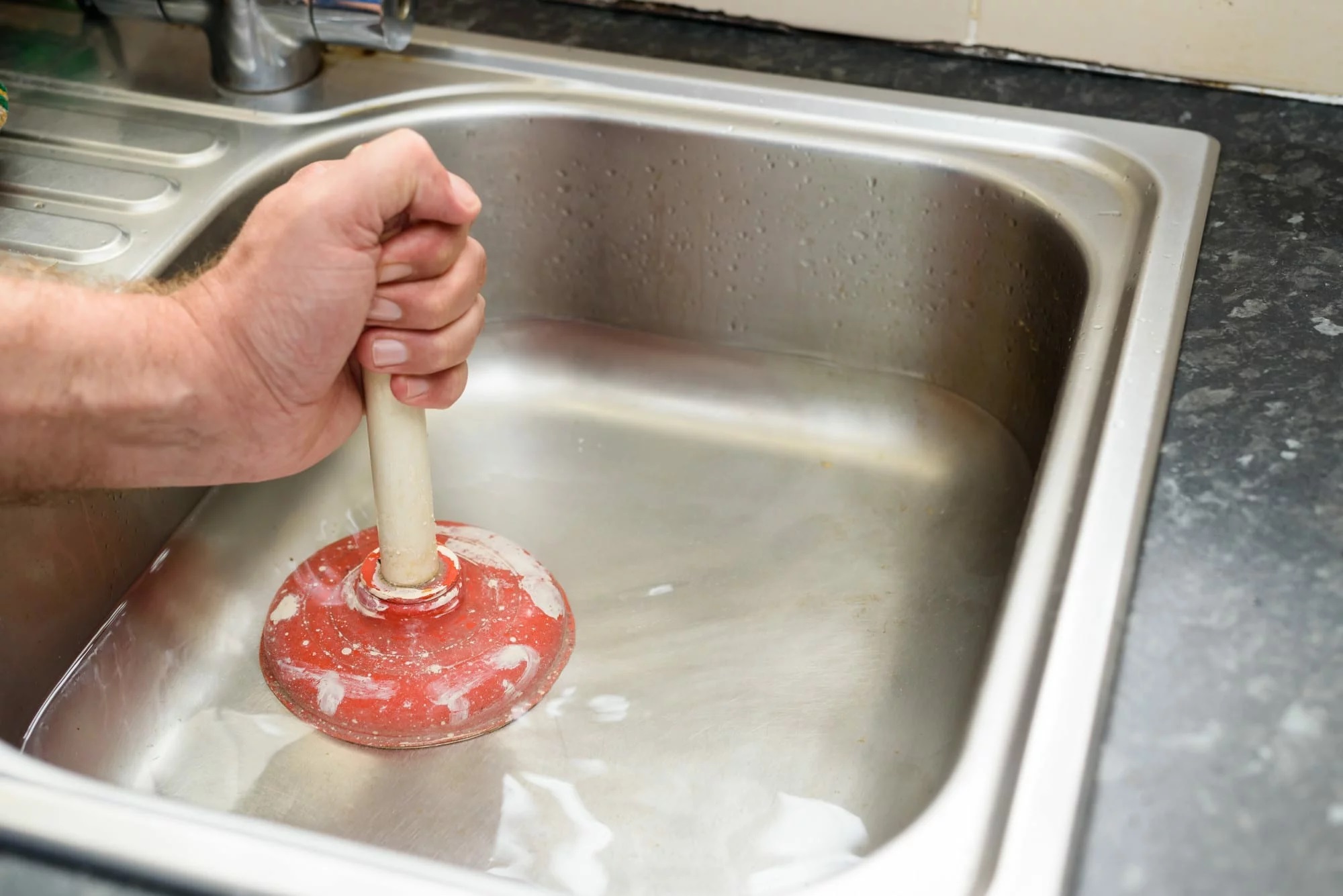
Household plungers and basic drain-clearing methods can sometimes help with minor surface blockages. However, recurring problems may require more than simply removing material from the immediate drain opening. If the blockage is deeper inside the pipe or caused by roots, damaged pipework or a structural issue, DIY methods may not address the underlying cause.
Repeatedly using unsuitable chemical drain products may also create additional concerns for some plumbing systems. Professional assessment can provide a clearer understanding of what is actually happening inside the drainage line.
What Happens After the Diagnosis?
Once the cause of a recurring blockage has been identified, the appropriate solution will depend on the condition of the drainage system. A straightforward buildup may require professional drain cleaning, while a recurring obstruction caused by roots may require more specialised attention.
If a CCTV inspection reveals damaged pipework, the plumber can explain the repair options based on the location and severity of the problem. The aim is to address the underlying issue rather than repeatedly treating the same symptoms.
When Should You Arrange a Drain Inspection?
You should consider professional drain inspection if the same drain repeatedly becomes blocked, drainage remains slow after cleaning or multiple fixtures begin showing similar symptoms. Persistent bad smells, unusual gurgling sounds and wastewater backing up can also indicate a problem that needs further investigation.
A professional assessment is particularly useful when previous drain-clearing attempts have only provided temporary results. Finding the cause early may help prevent further disruption and reduce the likelihood of a more serious drainage failure.
Professional Blocked Drain Services in Penrith
Recurring drain blockages should not always be treated as isolated plumbing problems. They can sometimes indicate an underlying issue within the drainage system, including root intrusion, pipe damage, heavy internal buildup or other obstructions. Professional diagnosis can help determine why the blockage keeps returning and what needs to be done to restore reliable drainage.
Ballard’s Plumbing provides plumbing and drainage services in Penrith and surrounding areas, including blocked drain services, CCTV drain inspections and high-pressure water jet drain cleaning. Using appropriate inspection and cleaning methods can help identify drainage problems and support a more targeted solution.
If your drains keep blocking despite previous cleaning, arranging a professional inspection can help uncover what is happening inside the drainage system and determine the next appropriate step.
 Call Ballard's Plumbing